
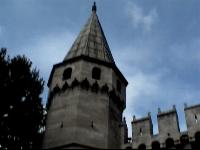
Next the bus took us to the Topkapi Palace. While waiting for Dilek to buy the tickets, we
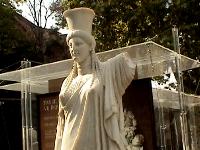
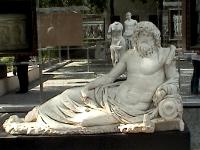
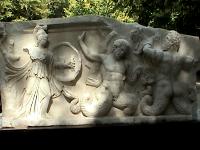
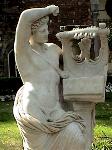
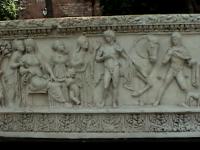
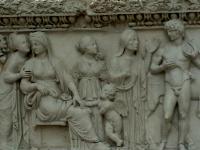
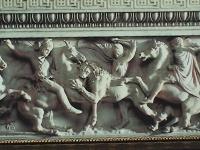
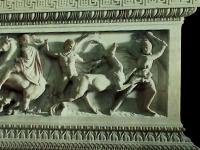
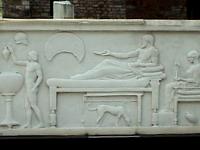
were able to view a sidewalk art display. Beautiful statues and marble scenes.
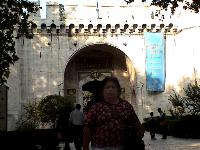
Remy obviously needed her picture taken in front of the entrance to the Palace. The palace was first
constructed between the years 1475 and 1478 by Ottoman Sultan Fatih Mehmet shortly after the conquering of Constantinople on the ruins of the Roman city.
In the following centuries, the Ottoman Sultans enriched and expanded the structures.
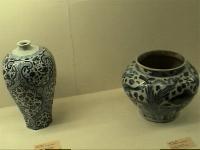
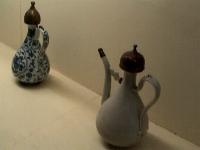
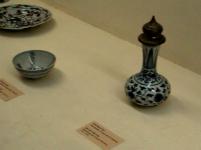
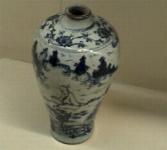
The palace houses the third largest porcelin collection in the world. They have over 12,000 pieces, but only
3,000 can be displayed at a time. Here are a few pictures of some of the objects on display there. They are arranged chronologically starting with the
Tang Dynasty (7th century). Since they are displayed behind glass the photo's aren't nearly as good as the real life views, but here are my
best captures:
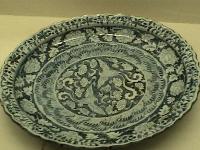
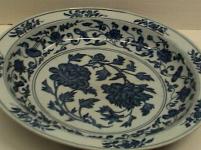

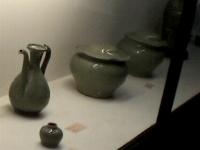
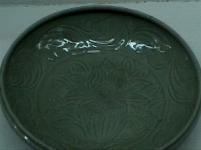

Kitchens served over 20,000 meals per day. They served the 5,000 inhabitants 3 meals per day and about
5,000 meals were distributed to soup kitchens and caravan visitors.
The domes of the main kitchen were built in the 15 th century and are one
of the palace symbols.
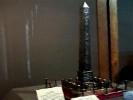
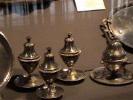
Today a large part of the kitchens house the porcelin display, but, even more impressive to me was the silver display.
Some of these were brought to the palace, others were made by the masters in the palace.
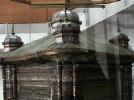
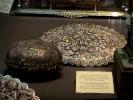

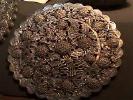
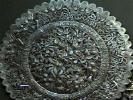






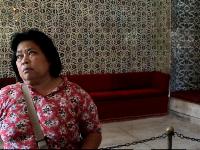
I'm not sure how Dilek got us all back together again, but eventually we entered into the 16th century meeting room of the Consul Hall.
The low bench along the wall is called a Divan. Divan means low bench, but it also means a gathering place.
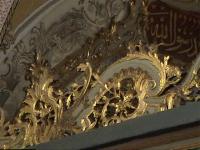
The room was renovated in the 19th century. As can be seen by the baroque paintings on the ceilings are not the originals.
The meeting room was designed for the advisers of the Sultan. The Sultan would have one key adviser that he would rely on, but would have meetings of other advisers to discuss the
issues.
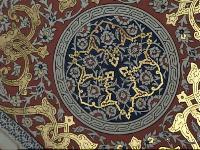
Blue and red color on the ceiling and walls is typical of the decoration of of the harem and other quarters that we weren't able to view this trip.
The blue is the color of nobility and the red symbolized power.
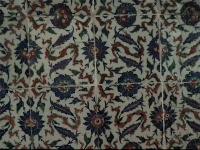
The two main contributions to art from the Ottoman time period are the Carpets and the tiles. This room has walls decorated with beautiful blue Iznik tiles. Iznik is town about
two hours from Istanbul. The tiles produced there were only Imperial uses. Although the carpets werenn't currently displayed in this room, the original silk carpets had a design like the
tiles on the wall. These carpets were made in the Hereke shops for Imperial use only.
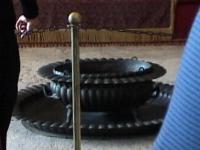
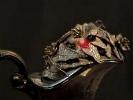
The entire room was heated by charcoal in large braziers like this. The climate is temperate so this was suffient for the needed warmth.
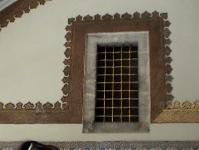
During the consul meetings, the office of the Sultan was directly behind this window. A curtain behind this window hid him from the consuls, but he could listen in on the discussions.
If he wished to make a comment he could open the curtain and speak. The viziers never knew if he was behind the curtain or not, since the hall from the window conected to his residence.
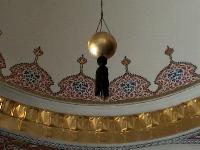
You will again notice the golden ball medallion hanging in the center of the room was a symbol of Power.
|